
Furniture
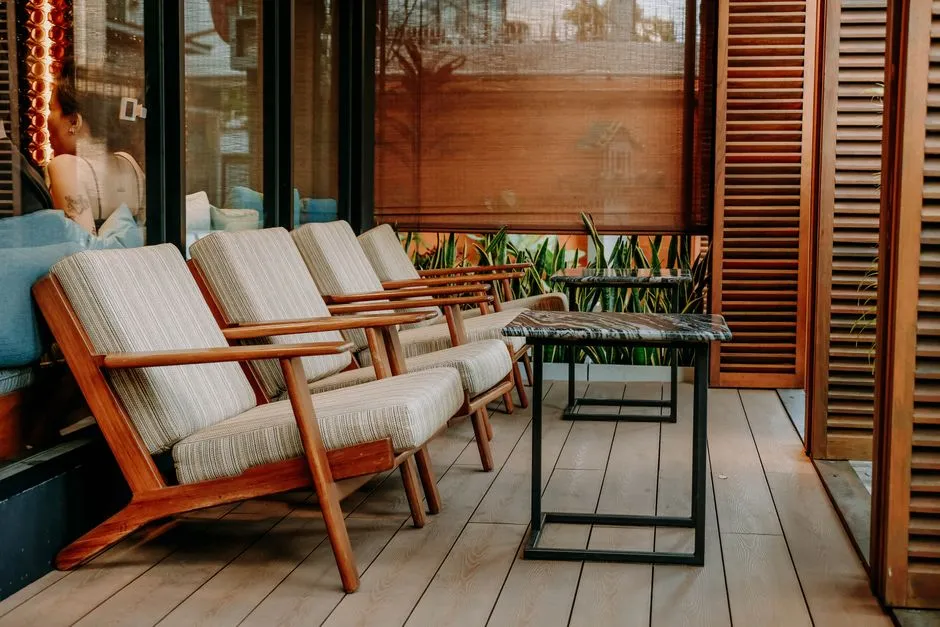
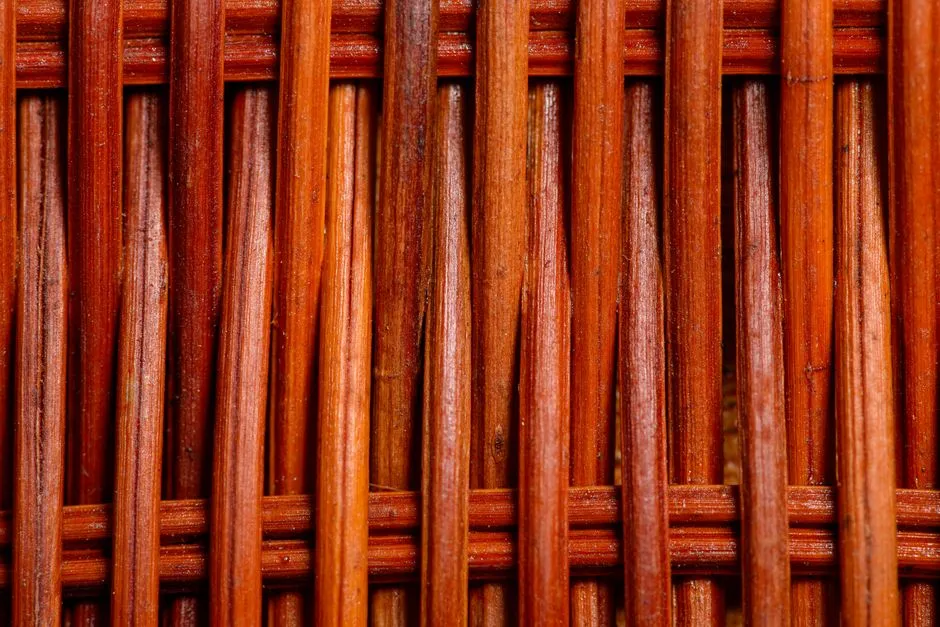
This collection covers the furniture Southeast Asia is genuinely known for: rattan and cane seating, teak dining and outdoor pieces, bamboo frames, and woven storage. We cover what each material is, how the good versions are built, and where mass-market shortcuts hide — stapled wraps, veneer passed off as solid wood, kiln-dried claims that don't hold up. Every guide here is evaluated the same way: material identification first, construction second, finish third, price last. We name realistic price ranges rather than exact tags, flag when a cheaper piece is the smarter buy, and are plain about which 'rattan' on the market is actually plastic resin.

Coming soon
- Bamboo vs Rattan Furniture: Strength, Cost & Care
- Rattan Headboards: Sizes and Weaves That Hold Up