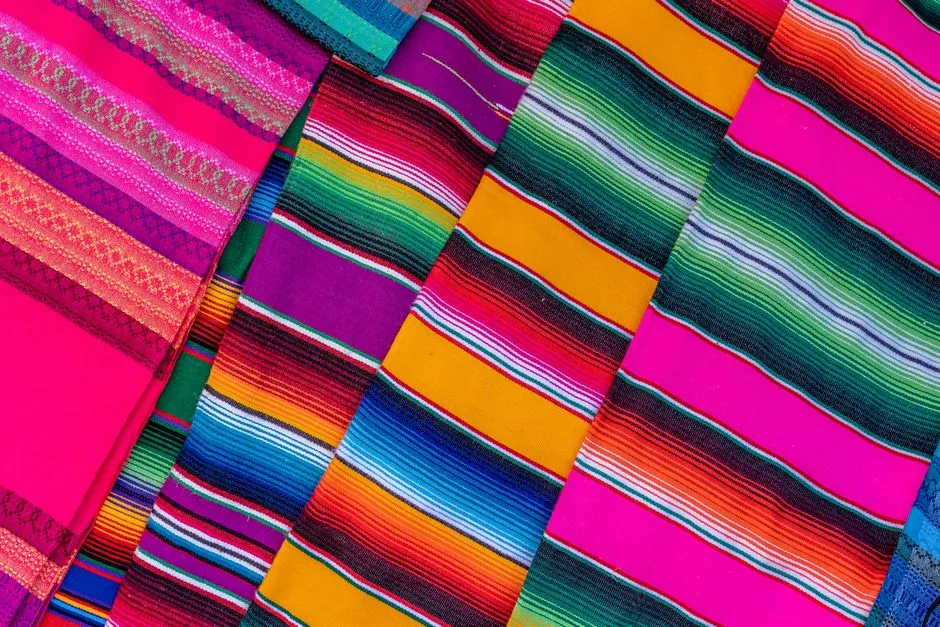
Textiles
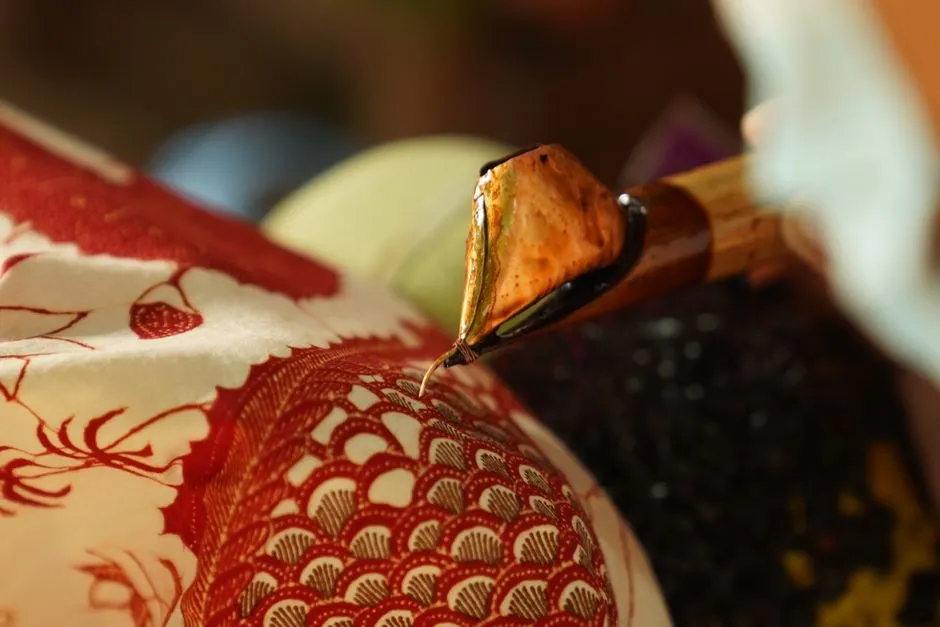
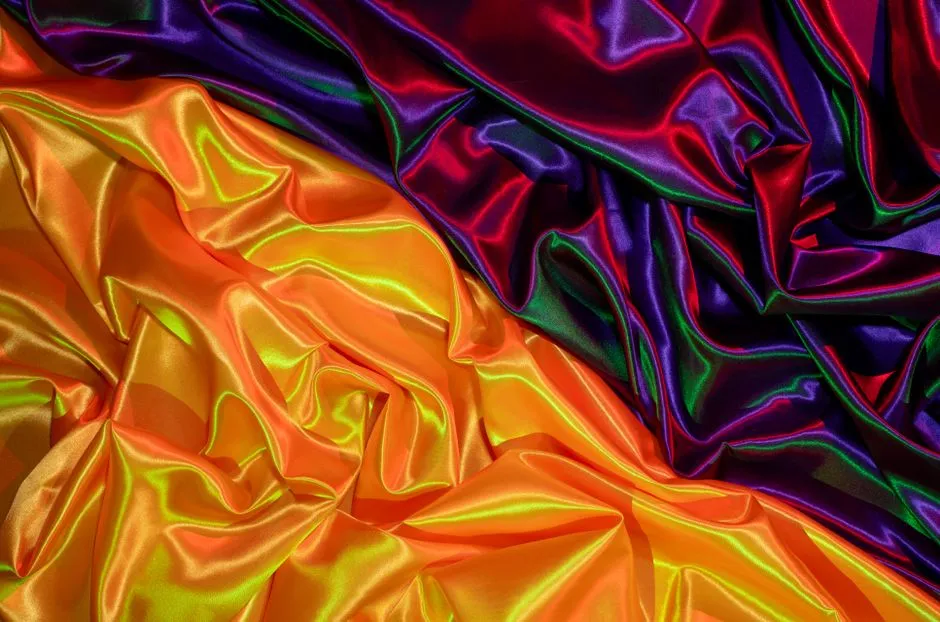
Southeast Asia's textile traditions — Thai silk, Indonesian batik, ikat weaving — are among the most copied in the world, which makes buying them a minefield of printed imitations. This collection explains each technique accurately, from hand-drawn wax resist to loom-woven silk, so you can recognize what you're actually paying for. We evaluate textiles on fiber content, technique (hand-made vs stamped vs printed), colorfastness, and finishing. We're explicit that machine-made versions are legitimate products at their price point — the problem is only when they're sold as something they're not.
Coming soon
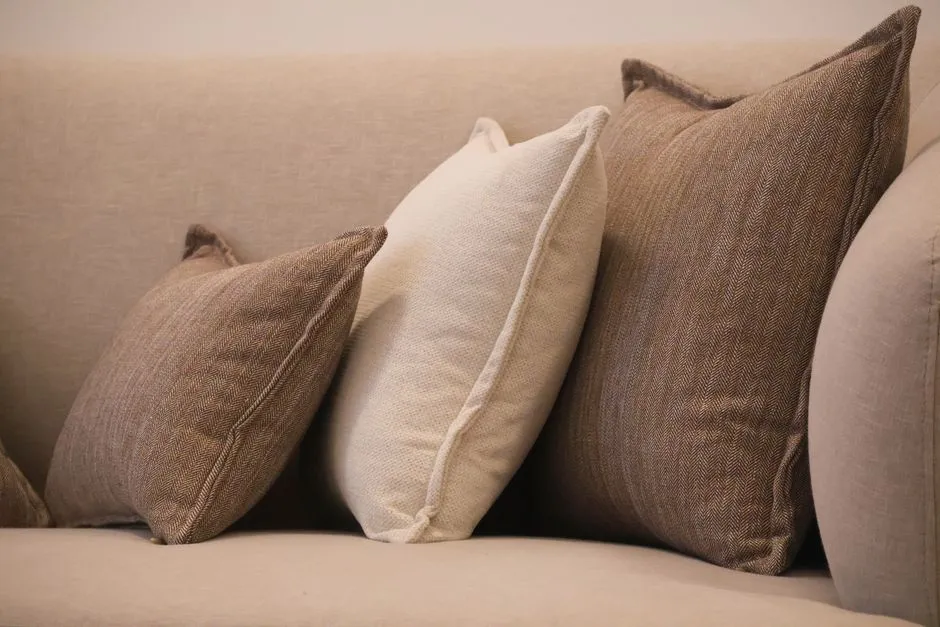
- Thai Silk Pillow Covers: What Real Quality Costs
- How to Wash Batik Without Fading the Wax Lines