How to Wash Batik Fabric Without Fading It
- The Short Answer
- Before Water Touches the Fabric
- Why Batik Needs Gentle Washing
- The Safest Home Method for Washable Cotton Batik
- Can Batik Go in a Washing Machine?
- First Wash Versus Routine Care
- Ironing Batik Without Adding Shine
- Common Mistakes That Cause Fading or Damage
- When to Stop and Call a Conservator
- The Bottom Line
The Short Answer
Wash batik only after checking its care label and fiber content. For a washable cotton piece, test an inconspicuous area, turn the item inside out, and hand-wash it briefly in cool water with a small amount of mild liquid detergent. Rinse without wringing, press out water in a towel, reshape, and dry in shade. Treat antique, ceremonial, silk, embellished, or undocumented batik as a conservation question rather than an ordinary laundry job.
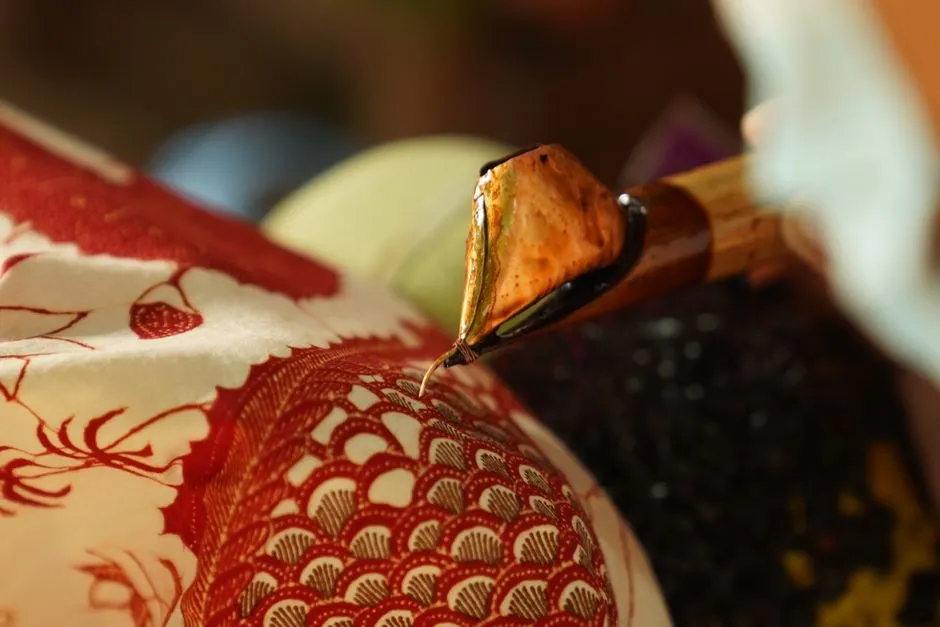
One useful correction: the pale lines in finished batik are not usually wax that must remain on the cloth. Batik is made by using wax as a dye resist, then removing that wax during production. The pattern remains because the wax blocked dye from reaching selected areas. Washing care is therefore about protecting the fiber and dyes, not keeping a layer of wax glued in place.
Before Water Touches the Fabric
Start with identification. “Batik” describes a process, not a single fiber or a universal care setting. Cotton batik made for daily clothing may tolerate gentle washing. A silk scarf, an older wall hanging, a lined cushion, or a piece with metallic thread can react very differently.
Check, in order:
- The maker’s care instructions. If the label says dry-clean only, spot-clean only, or do not wash, follow it.
- Fiber content. Cotton is generally more forgiving in water than silk or wool. Blends and unknown fibers deserve more caution.
- Construction. Linings, interfacing, embroidery, beads, tassels, and glued details can shrink, bleed, snag, or detach even when the main cloth is washable.
- Age and condition. Weak seams, tiny tears, powdery surfaces, or brittle areas can worsen when wet.
- Value and meaning. An heirloom or ceremonial textile is not the place to improvise with a sink and optimism. Ask a textile conservator.
The laundry basket is not a witness-protection program for care labels. If instructions exist, keep them with the piece.
Why Batik Needs Gentle Washing
Batik is a resist-dyed textile. A Smithsonian teaching resource defines the process plainly: wax creates a barrier that prevents dye or pigment from changing selected parts of the cloth; the barrier is normally removed to reveal the design. The Metropolitan Museum of Art likewise describes batik in Island Southeast Asia as wax applied to cloth before dyeing, leaving waxed areas their natural color. Those are descriptions of the process, not promises that every modern batik uses the same fiber, dye, or finish.
That variation is why a universal “batik wash” can mislead. Color loss may come from an incompletely fixed dye, unsuitable detergent, warm water, prolonged soaking, friction, sunlight, or simply a textile that was never intended for home washing. Printed batik-pattern fabric is another category again: it may be colorfast and machine washable, but its care depends on the printed fabric and finish rather than a wax-resist pedigree.
If you are unsure which technique you own, our batik buying guide explains hand-drawn, stamped, and printed versions without treating the mass-produced option as a fake by default.
The Safest Home Method for Washable Cotton Batik
This method is deliberately conservative. It is appropriate only when the piece is sound, the care label permits washing, and a color test behaves well.
1. Test for Color Transfer
Dampen a white cotton cloth with cool water. Press it against a hidden seam allowance or inconspicuous corner for several seconds, then lift without rubbing. Check the white cloth for transferred color.
A clean test is encouraging, not a lifetime guarantee. If strong color transfers, stop. Do not keep blotting until the evidence disappears. Ask the seller or maker for care advice, or use a textile-cleaning professional for a valuable piece.
2. Prepare a Small Cool-Water Bath
Use a clean basin with enough cool water for the textile to move without being crushed. Add only a small amount of mild liquid detergent and disperse it before adding the fabric. Avoid chlorine bleach, oxygen bleach, stain-removal powders, fabric softener, and improvised acidic or alkaline treatments unless the maker specifically approves them.
Museum conservation practice is much stricter than home laundering, but its caution is instructive: the Smithsonian Museum Conservation Institute notes that cleaning agents must be safe for dyes, mordants, and fibers, and that even surfactants are restricted in concentration for museum textiles. Your everyday cushion cover is not a museum object; the underlying lesson is simply that more detergent is not more care.
3. Wash Briefly, Without Scrubbing
Turn garments and removable covers inside out. Lower the piece into the water and move it gently with open hands. Do not scrub pale lines, twist the cloth, use a brush, or let it sit for a long soak. Friction can make surface wear look like fading, especially along folds and raised seams.
If the water becomes heavily colored, lift the textile out and stop rather than repeatedly replacing the bath. Some tint can come from loose surface dye, but there is no responsible visual test that proves continued loss is harmless.
4. Rinse and Remove Water
Drain the wash water and support the whole textile as you lift it; wet fabric is heavier and easier to distort. Rinse in cool water until detergent is removed. Do not wring.
Lay the piece flat on a clean, colorfast towel. Roll the towel with the textile inside and press gently. Unroll, reshape seams and edges, and transfer it to a dry surface or padded line as its construction allows.
5. Dry Away From Direct Sun and Heat
Dry in moving air and shade. Direct sun can change dyes, while high dryer heat can shrink fibers or stress finishes. Keep the wet piece away from radiators and do not leave it folded in a damp heap, which encourages creases, uneven drying, and odor.
For a garment, use a broad hanger only if the wet weight will not pull the shoulders out of shape. Otherwise, dry it flat. For yardage, support the length instead of hanging the entire weight from two clothespins.
Can Batik Go in a Washing Machine?
Sometimes—but the label gets the deciding vote.
| Batik item | Starting method | Main reason |
|---|---|---|
| Labeled washable cotton garment | Hand-wash first; later use a gentle cycle if colorfast | First wash reveals how dye and construction behave |
| Printed cotton sold as machine washable | Cold gentle cycle, inside out | Care follows the manufacturer’s printed-fabric instructions |
| Silk batik | Follow maker instructions; professional care if uncertain | Water and handling risks differ from cotton |
| Antique, ceremonial, or fragile batik | Do not home-wash | Condition and cultural value require individual assessment |
| Embellished or lined item | Follow the most delicate component | Trim, lining, or adhesive may fail before the batik cloth does |
When machine washing is expressly allowed, use a mesh laundry bag, a cold delicate cycle, mild liquid detergent, and a light load. Wash similar dark colors together. Skip a crowded drum, vigorous spin, and automatic dryer unless the label permits them.
First Wash Versus Routine Care
The first wash deserves extra attention because you do not yet know how the piece behaves. Wash it alone or with very similar dark colors. Test first, keep the wash short, and watch for transfer.
After that, wash only when needed. Airing a clean garment, brushing dust from a wall textile, or spot-treating a small fresh mark according to the maker’s instructions can reduce unnecessary full washes. Do not rub an isolated stain aggressively, because abrasion can leave a visibly faded patch.
For home decor, removable batik covers are easier to maintain than fixed upholstery. Keep the maker’s cleaning code for the base fabric, lining, and insert. If you are choosing textiles for a larger room plan, the Southeast Asian home decor guide can help you place them away from harsh light and high-friction areas.
Ironing Batik Without Adding Shine
Check the label before ironing. If ironing is allowed, work while the cloth is slightly damp or use a pressing cloth, turn the piece inside out, and begin at a low temperature suited to the fiber. Increase heat only if the label allows it and the wrinkles require it.
Do not assume cotton batik can take the hottest cotton setting: a lining, printed overlayer, metallic detail, or finish may have a lower limit. Avoid pressing directly over unknown embellishments. Steam can help some washable cotton pieces, but it is not a universal fix for silk, aged textiles, or unstable dyes.
Common Mistakes That Cause Fading or Damage
- Using hot water to “set” the color. Home heat does not reliably fix an unknown dye and may worsen shrinkage or bleeding.
- Adding salt or vinegar by habit. These are not universal fixatives for every dye-fiber combination. Use them only if the maker gives that instruction for that exact textile.
- Soaking overnight. Longer contact gives unstable color more opportunity to migrate and can stress trims or linings.
- Scrubbing the design. The pale pattern is not dirt. Abrasion can roughen fibers and lighten the surface.
- Drying in strong sun. Shade is the safer default for preserving color.
- Treating all batik as Indonesian cotton. Batik and related wax-resist practices exist in multiple regions, and contemporary goods use many fibers and production methods. Read the object in front of you.
Batik is also regularly confused with ikat, where yarns are resist-dyed before weaving. Our ikat vs batik guide shows why the distinction matters when you identify and care for a textile.
When to Stop and Call a Conservator
Do not home-wash a textile that is antique, historically important, ceremonially significant, structurally weak, heavily embellished, or undocumented but valuable. The same applies when dyes transfer strongly in testing, the surface feels powdery, or previous repairs use unknown thread or adhesive.
A conservator can assess fiber, dye stability, construction, old repairs, and soil before proposing treatment. That may sound cautious because it is. Cleaning is irreversible once color moves, fibers distort, or a fragile seam opens.
The Bottom Line
For washable cotton batik, use cool water, minimal mild detergent, little friction, and shaded air-drying. Test first, keep the wash brief, and let the maker or care label overrule general advice.