How High to Hang a Pendant Light Over a Table (With Chart)
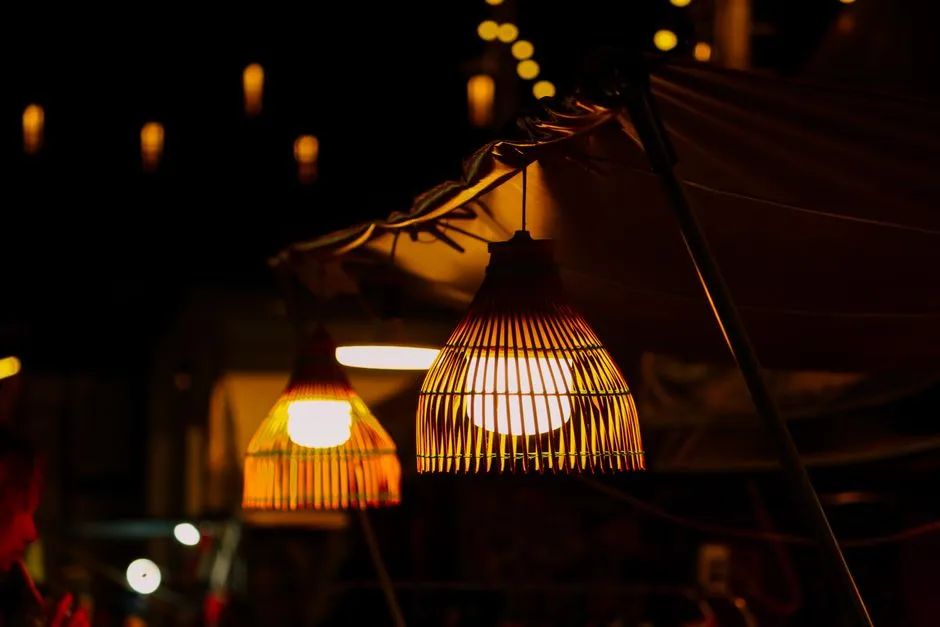
The Short Answer: 30–36 Inches Above the Table
Hang a pendant light so its lowest point sits 30 to 36 inches above the tabletop — the range most lighting guides and designers work from, and it assumes a standard 8-foot ceiling. Within that range, go lower (30–32 inches) for a more intimate, focused pool of light, and higher (34–36 inches) if the fixture is large, the room is open-plan, or you want clear sightlines across the table.
For taller ceilings, add roughly 3 inches of height for every foot of ceiling above 8 feet. A 10-foot ceiling, for example, puts the sweet spot at about 36–42 inches above the table.
This guide covers the two surfaces people actually sit and work at — dining tables and kitchen islands. Two things matter more than the exact number: you should be able to see the person across the table without a shade in your eyeline, and the light should land on the table rather than glaring into anyone's eyes. Everything below is about getting those two things right — including the cases where woven rattan and bamboo shades change the math.
The Height Chart
Measure from the tabletop (not the floor) to the lowest point of the fixture — including any exposed bulb or finial, not just the shade. The last two columns translate that into a floor height, which is far easier to mark on a wall with a tape measure.
| Ceiling height | Above the surface | Fixture bottom, 30-in dining table | Fixture bottom, 36-in island counter |
|---|---|---|---|
| 8 ft | 30–36 in | 60–66 in | 66–72 in |
| 9 ft | 33–39 in | 63–69 in | 69–75 in |
| 10 ft | 36–42 in | 66–72 in | 72–78 in |
| 11 ft+ | 40+ in, or a two-tier arrangement | 70+ in | 76+ in |
Those floor numbers explain most of what follows. Over a dining table on a standard ceiling, the fixture bottom lands right around standing eye level — fine for seated diners, awkward for an exposed bulb. Over an island it sits several inches higher, at or just above head height, which is why islands are more forgiving of tall shades and of people wandering through.
Why the Rule Works (and When to Break It)
The band isn't arbitrary. It's where three competing needs mostly overlap:
- Seated sightlines. Seated eye level runs roughly 45–51 inches off the floor for most adults — an 18-inch chair seat plus a sitting eye height of about 27–33 inches. A fixture bottom at 60–66 inches clears that comfortably, so nobody ends up talking around a shade.
- Light quality. Close enough that the light pools on the table and the food, rather than washing the whole room flat.
- Glare control, with an honest caveat. The bulb sits above seated eye level, which is the case that matters at a dining table. It does not clear standing eye level: adult eyes sit roughly 57–70 inches off the floor, so a fixture bottom at 60–66 inches puts a bare or exposed bulb squarely in the eyeline of anyone standing at the table's edge. That's a real tradeoff of hanging low, not a benefit of it. Fix it with a shade that conceals the bulb from the side or a low-glare bulb — not by hanging higher, which costs you the other two needs.
Break the rule deliberately in a few cases:
- Oversized statement shades. A very wide woven pendant — say 30 inches or more across — reads lower than it hangs because of its visual mass. Nudge it 2–3 inches higher than the chart suggests.
- Open-plan rooms. If you look across the dining table into a living area, hang toward the top of the range so the fixture doesn't chop the view in half.
- Low tables. Coffee-table-height dining (floor seating, low teak tables) shifts everything down — but not by the full difference, because head clearance sets a floor that the above-table measurement can't override. If anyone stands up in or walks through that zone, the fixture bottom has to sit above head height; roughly 78 inches off the floor is a sane walk-through minimum, and only a genuinely out-of-traffic corner justifies going lower. Over a 15-inch table that leaves you far past the 40-inch mark flagged under Common Mistakes below — which is the honest signal that a low table usually wants a different fixture altogether: a flush or semi-flush ceiling light, or a floor lamp off to the side.
Woven Pendants Change the Math Slightly
Most height guides assume an opaque drum or a glass globe. Rattan, bamboo, and other open-weave shades behave differently, and it affects where you hang them.
Open weaves throw patterned light. A loosely woven rattan pendant casts its weave pattern onto the table, walls, and ceiling. Hung at 30 inches, that pattern is tight and dramatic on the tabletop; at 36 inches it spreads and softens. Neither is wrong — but decide which effect you want before you set the cord length. Our rattan pendant light guide covers how weave density changes the light itself.
The bulb is often visible. Through an open weave, a bare bulb reads as a point of glare — and as the floor numbers above show, that point sits near standing eye level over a dining table. If your shade is see-through from the side, either hang at the top of the range, choose a low-glare bulb (a large globe bulb with a soft or spiral filament look works well), or pick a weave with a denser band at eye height.
Woven shades are tall. Many bamboo and rattan pendants run 15–24 inches tall — considerably taller than a typical glass pendant. Remember that the measurement is to the bottom of the shade, so a tall fixture on an 8-foot ceiling can eat most of your available drop: as step 2 below works out, an 8-foot ceiling over a 30-inch table leaves only about 34 inches for shade, cord, and canopy combined. Check total fixture height plus canopy before you commit. If the drop is tight, a shallower silhouette buys you room — the flared basket (empire) shape covered in our bamboo pendant roundup is shallower than the bell and dome styles, though that same shallowness leaves the bulb more visible from below, so pair it with a warm, low-glare bulb.
They're light. A woven shade usually weighs a fraction of what glass or metal does, which makes cord-swag and plug-in installations far more practical if your junction box isn't centered over the table.
Pendant Height Over a Kitchen Island
The same above-surface range applies over a counter, but islands add two wrinkles: you stand at an island, and you usually hang more than one pendant.
- Standing sightlines matter more. At a dining table everyone sits; at an island you'll regularly stand and look across it. Fixtures at 66–72 inches off the floor clear most people's eyeline — the margin a dining pendant genuinely doesn't have — but if your household runs tall, favor the top of the range.
- Task light matters more too. Islands are work surfaces. Hanging low (30–33 inches above the counter) puts noticeably more light on the cutting board — good if the island is your prep zone, less important if it's mostly a breakfast bar.
- Spacing multiples. The usual published rule is 24–30 inches center to center. We'd rather you measure edge to edge, because shade diameters vary so widely — but be aware the two aren't the same number: three 12-inch shades set 24–30 inches on center leave only about 12–18 inches of air between their edges. So aim for roughly 12–18 inches between shade edges on a normal-length island, keep the outer shades at least 6 inches inside the island's ends, and use the center-to-center figure as a cross-check. Odd numbers usually look better than even over a long island.
If you're still choosing the fixture itself, size and height interact — a wider shade generally wants to hang a touch higher. Our pendant light size guide walks through diameter by table and island length so the two decisions work together.
How to Get It Right Before You Drill
- Measure the tabletop-to-ceiling distance. On an 8-foot ceiling over a 30-inch table, you have about 66 inches to work with.
- Subtract your target height. Aim for 32 inches above the table as a starting point; that leaves ~34 inches for fixture, cord, and canopy.
- Check the fixture's total height on the spec sheet — shade plus stem or cord plus canopy. Many woven pendants ship with generous cord that must be shortened or coiled inside the canopy.
- Mock it up. Tape a paper circle or hang a paper lantern (or even a balloon) at the proposed height, then leave it there through an evening meal. Sit at the table, stand at the island, and walk past it. Ten minutes of rigging catches almost every mistake.
- Set the height with the bulb installed. An exposed bulb below the shade lowers your effective bottom edge — measure to the glass, not the rattan.
- Hardwire the final length. Most pendant cords adjust at the canopy; set it once, at the height your mock-up confirmed.
Common Mistakes Worth Avoiding
- Measuring from the floor to the shade top. The rule is tabletop to fixture bottom. Getting this wrong typically leaves a pendant a foot too high.
- Hanging high "to be safe." A pendant at 40+ inches over a table on an 8-foot ceiling stops being a pendant and becomes weak ambient light. If you're nervous about a low fixture, fix it with shade choice, not height.
- Ignoring the table you'll actually own. Hanging height depends on the table beneath it. If a new table is coming, hang for that table's height, not the current one.
- Forgetting dimmers. A dining pendant hangs close to both eye level and food; a dimmer covers bright weeknight homework and low dinner-party light alike. Warm bulbs — around 2700K — flatter both food and woven natural materials.
- Centering on the room instead of the table. The pendant should center on the table. If the junction box is off-center, a swag hook is an honest, renter-friendly fix — especially with lightweight woven shades.
Get the height right and even a modest fixture looks intentional. Get it wrong and no amount of beautiful weaving saves it — which is why this is the one measurement worth mocking up before you commit.